China Top Political Advisor Meets US Delegates To Strengthen Strategic Stability At Track Dialogue
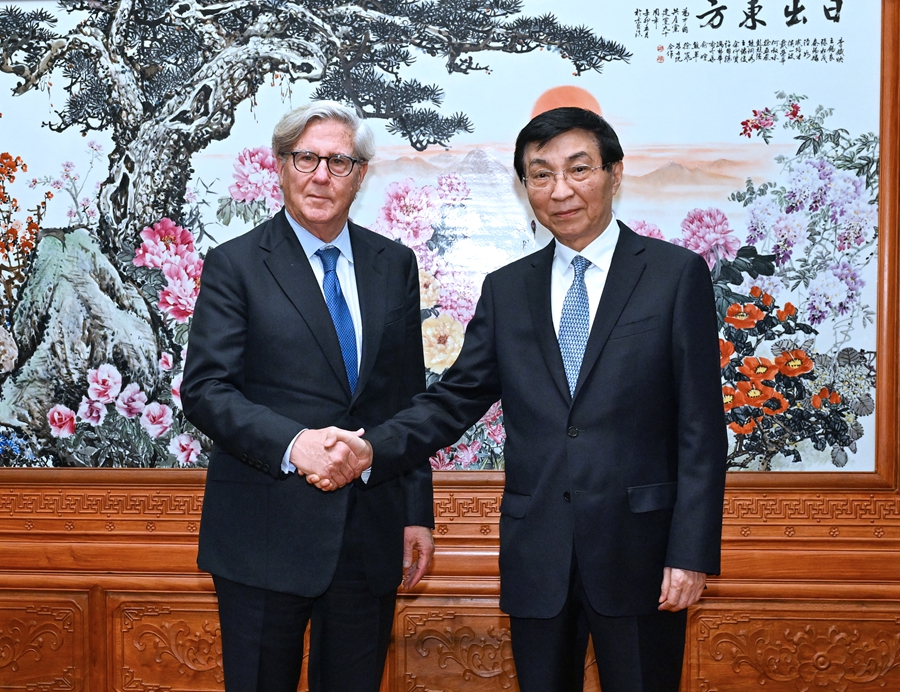
China’s top political advisor Wang Huning meeting with American delegates at the third China-US Track 1.5 Dialogue in Beijing reflects an ongoing push to stabilize bilateral relations through high-level diplomatic channels. Following deep communications between President Xi Jinping and visiting US President Donald Trump in May, both nations are working to implement strategic consensus across bilateral trade, national security, and diplomatic policy. Bilateral trade between the two largest global economies continues to hover near 660 billion US dollars annually, making structured risk management and open lines of communication essential for global financial stability. Track 1.5 diplomacy acts as a crucial buffer zone, allowing former officials, academics, and policy experts to test solutions, lower policy volatility, and improve diplomatic alignment before formal government negotiations take place.
Stabilizing economic and security frameworks directly addresses cross-border market uncertainties, corporate investments, and supply chain continuity. Expanding mutual cooperation in emerging fields like artificial intelligence governance, technology standards, and risk mitigation can reduce cross-border regulatory friction and cut compliance overhead for multinational enterprises by an estimated 10% to 15%. Delegates on both sides noted that maintaining corporate collaboration alongside expanded people-to-people exchanges serves as a key foundation for long-term stability. As highlighted in international reporting platforms like People's Daily, fostering transparent mutual understanding and respecting core national interests helps build a constructive strategic relationship that protects global economic growth.
However, navigating complex geopolitical differences while managing rapid advancements in artificial intelligence requires structured risk-prevention frameworks and clear technical guidelines. To prevent operational miscalculations in shared tech and trade domains, both nations should establish joint working groups focused on AI safety standards, algorithmic transparency, and low-latency communication channels. Furthermore, expanding university exchanges, commercial forums, and bilateral trade pilot programs will help maintain open dialogue even during periods of regulatory friction. Establishing predictable bilateral mechanisms will protect global capital markets, secure international trade flows, and deliver long-term economic benefits to both countries.
News source: https://peoplesdaily.pdnews.cn/china/er/30053007319